Dental bonding is a quick, affordable, and versatile cosmetic dentistry solution that can transform your smile in just one visit. Unlike other procedures, bonding requires minimal enamel removal and can often be completed without anesthesia. In this guide, we’ll explore how dental bonding works, its many advantages, and why it might be the perfect option for achieving the smile you’ve always wanted.
At Chester Springs Dental, our cosmetic dental care involves enhancing the appearance of your teeth. Beyond aesthetics, repairing tooth damage, replacing missing teeth, and straightening teeth all contribute to improving your bite and dental health. We would love to meet you and chat about your smile and what you may like to improve. Dr. Gross will take his time and answer your every question. Come on in!
Dental Bonding
Dental bonding is a cosmetic procedure that uses a tooth-colored composite resin material to enhance your smile. This procedure is used to repair chips, close down gaps or change the shape and color of a tooth. Unlike other cosmetic dental treatments, such as porcelain veneers, dental bonding is completely reversible.
What is dental bonding?
Dental bonding, sometimes called composite bonding or teeth bonding, is a cosmetic dentistry treatment used to enhance your smile. During the procedure, your dentist applies tooth-colored resin material to the affected teeth to change their shape, size or color.
Experiencing tooth pain? Read our guide on toothaches to understand common causes, symptoms, and when it’s time to visit a dentist for treatment.
When is dental bonding recommended?
Dental bonding is used to make cosmetic improvements to your smile. The procedure uses tooth-colored composite resin material to:
- Conceal chips or cracks in your teeth.
- Camouflage tooth discoloration.
- Close gaps and spaces between your teeth.
- Make your teeth look longer.
- Change the shape of your teeth.
The same composite resin material used in dental bonding is also used in restorative dentistry to:
- Fill cavities.
- Replace old silver dental fillings with a more cosmetic alternative.
- Protect teeth roots that have been exposed due to gum recession.
How common is dental bonding?
Cosmetic dental bonding is very common. In fact, it’s one of the most frequently performed procedures in dentistry today.
Dental bonding vs veneers: What’s the difference?
Porcelain veneers are custom-made ceramic shells that adhere to the front surfaces of your teeth. To place them, your dentist typically must remove some enamel from your natural teeth. Once placed, porcelain veneers are not reversible. They’ll need replacing every 10 to 20 years.
Dental bonding, on the other hand, may not require significant enamel removal. As a result, bonding is completely reversible. You’ll likely need touchups every three to 10 years.
You might hear dentists use the term “composite veneers.” This is when your dentist uses composite resin material to cover the entire surface of your tooth.
Procedure Details
What happens before teeth bonding?
Prior to dental bonding, your dentist will sit down with you and discuss your cosmetic goals. They’ll also take dental X-rays and examine your teeth and gums to make sure you’re eligible for the procedure. If you have severe tooth decay, gum disease or other serious oral health problems, you’ll probably need to treat those issues first.
What happens during dental bonding?
During your dental bonding procedure, your dentist will:
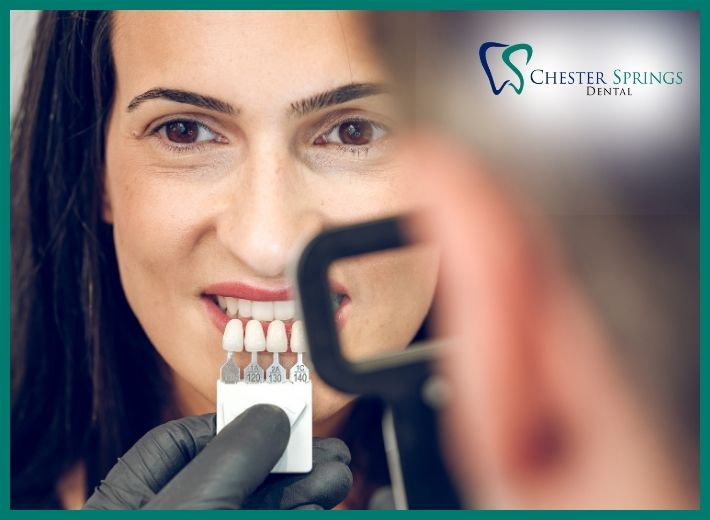
- Select a shade. Your dentist uses a shade guide to select a composite resin material that matches the color of your natural teeth.
- Prepare your tooth. The surface of your tooth is roughened and a conditioning liquid is applied. These steps help the bonding material stick to your tooth.
- Apply the composite resin material. The resin material (which is a putty-like consistency) is applied, molded and smoothed to the desired shape.
- Cure the material. Next, the composite resin is hardened with a special curing light, which “bonds” the material to the surface of your tooth.
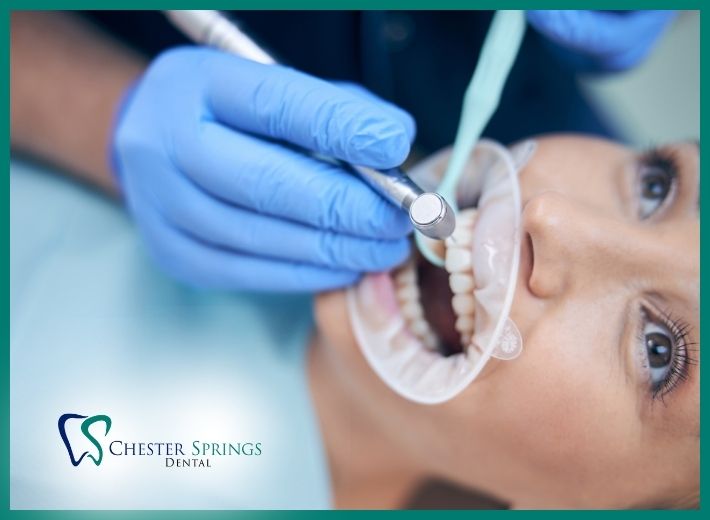
- Polish your tooth. Finally, your dentist will make any necessary final adjustments and polish your tooth to a natural-looking shine.
The procedure takes about 30 to 60 minutes per tooth to complete.
Is dental bonding painful?
Dental bonding usually isn’t painful because your dentist won’t be working anywhere close to the pain-sensing nerve inside your tooth. In most cases, anesthesia isn’t even necessary during dental bonding. Some people may experience temporary sensitivity after their dental bonding procedure. Over-the-counter pain relievers can help ease this discomfort.
What happens after teeth bonding?
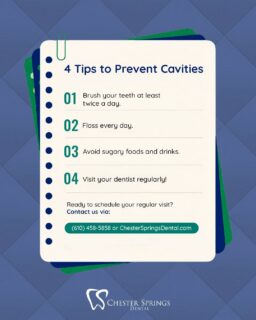
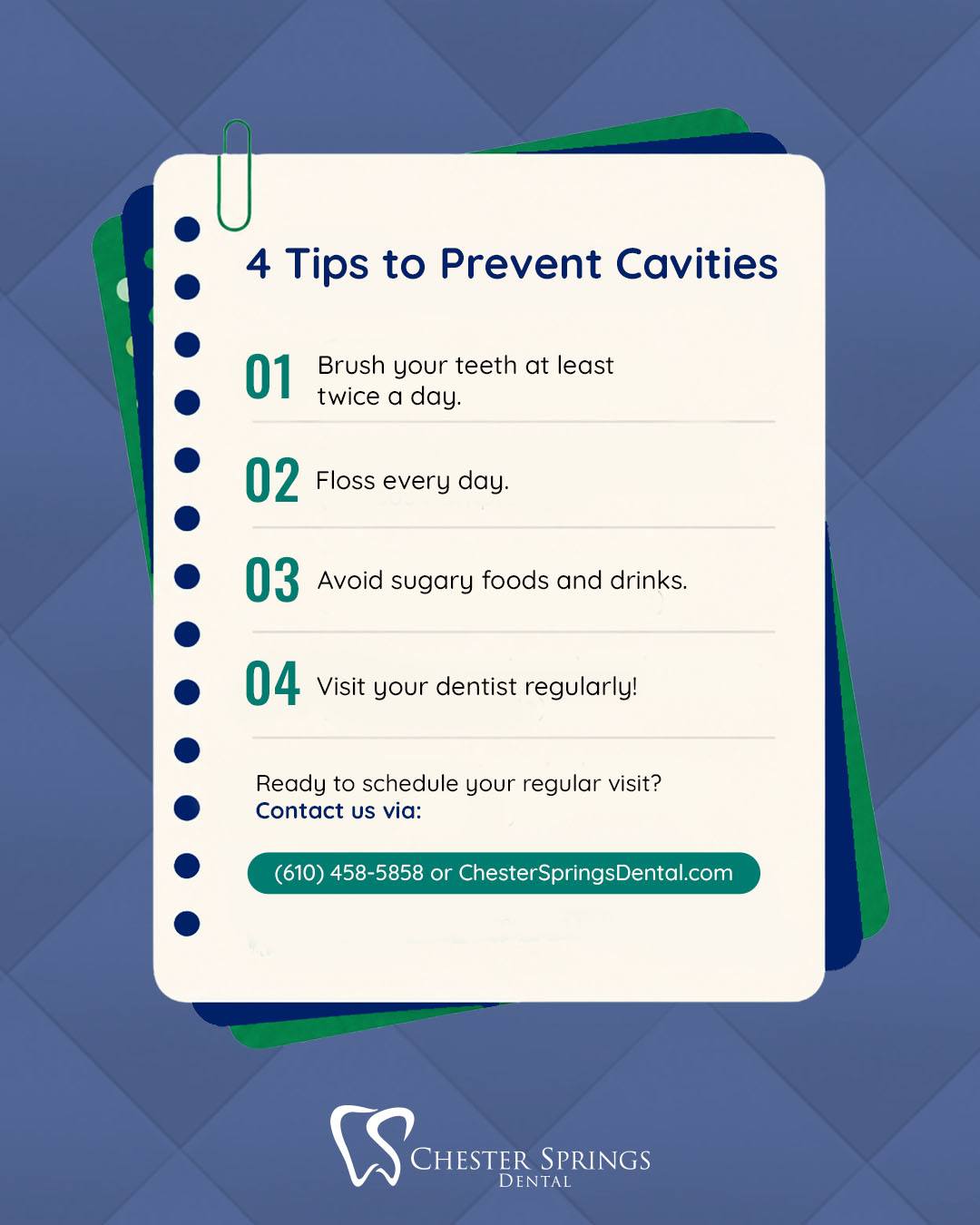
After dental bonding, proper oral hygiene is essential to keep your mouth healthy and bright. Brush at least twice a day with a soft toothbrush and fluoride toothpaste, and floss between your teeth once daily. In addition, you should visit your dentist regularly for check-ups and cleanings.
Risks / Benefits
What are the advantages of dental bonding?
Cosmetic dental bonding offers many benefits compared to other cosmetic treatments. For example, the procedure is:
- Minimally invasive. While porcelain veneers and dental crowns require significant tooth alteration, dental bonding typically doesn’t require enamel removal.
- Cost-effective. Dental bonding is one of the least expensive cosmetic dental procedures available.
- Versatile. Dental bonding can conceal a wide range of cosmetic imperfections, including chips, cracks, gaps and discoloration.
- Fast and convenient. Other cosmetic procedures, like veneers and crowns, require multiple appointments. Dental bonding can be completed in just one office visit.

What are the disadvantages of teeth bonding?
Although dental bonding material is somewhat stain-resistant, it doesn’t resist stains as well as porcelain restorations. Another disadvantage is that bonding isn’t as long-lasting as other restorative options, such as veneers or crowns. Also, bonding materials can chip over time.
In general, dental bonding is an excellent solution for making small cosmetic changes. If you’re looking for a more dramatic transformation, you may be better suited for other treatments, such as porcelain veneers.
Recovery and Outlook
What is the recovery time after dental bonding?
Teeth bonding requires zero downtime. You’ll be able to resume all normal activities as soon as you leave your dentist’s office.
Do teeth need special care after dental bonding?
No. Simply follow good oral hygiene practices. Brush your teeth at least twice a day, floss at least once a day and see your dentist for regular check-ups and cleanings.
Because bonding material can chip, it is important to avoid habits like biting your fingernails, chewing on pens or using your teeth to open packages. If you notice any sharp edges on a bonded tooth or if your tooth feels odd when you bite down, call your dentist.
How long does dental bonding last?
How long bonding materials last depends on several factors, such as your oral habits and how many teeth were treated. Typically, however, bonding material lasts between three and 10 years before needing to be touched up or replaced.
Is bonding good for your teeth?
In general, dental bonding doesn’t pose any risks to your oral health. If you have healthy teeth and gums, then it’s perfectly safe.
However, if you have extensive tooth decay, gum disease or other serious issues affecting your oral health, you may need to have other treatments before pursuing dental bonding.
Is bonding on teeth permanent?
No. Because dental bonding doesn’t require enamel removal, it can be reversed at any time.

When To Call the Doctor
When should I see my dentist?
If you have chips, cracks, discoloration or other concerns about the way your teeth look, schedule an appointment with your dentist. They can talk with you about your cosmetic goals and design a personalized treatment plan to fit your needs.
If you’ve recently had cosmetic dental bonding, call your dentist if your bite feels “off.” They can correct this issue during a quick appointment.
Discover how dental bonding can restore your confidence and give you a radiant smile! Our advanced techniques and experienced team ensure a comfortable, seamless dental bonding experience. Schedule your appointment with Dr. Richard Gross and his awesome dental team at Chester Springs Dental today at 610-524-9530. Join our Instagram community here!
Reference: [https://my.clevelandclinic.org/health/treatments/10922-dental-bonding]