Treatment for Your Small Tooth Fractures and Cavities
Dental fillings restore the damage tooth decay or small fractures cause. Prevent further damage to your tooth by restoring the chewing surfaces with a filling.
Aesthetically Pleasing Repair
Fillings are made of a variety of materials. At Chester Springs Dental we like to use tooth-colored composite resin for dental fillings. So the natural-looking treatment matches the shade and color of your surrounding teeth.
Restorative treatment doesn’t have to compromise the appearance of your smile. Explore natural-looking tooth-colored restorations designed to repair damaged teeth while maintaining a natural appearance.

Make an Appointment


No Dental Insurance? No Problem!
We offer a Membership Savings Club for patients without insurance.

Dental Fillings
To treat a cavity your dentist, will remove the decayed portion of the tooth and then “fill” the area of the tooth where the decayed material was removed.
Also, fillings are used to repair cracks or broken teeth and teeth that have been worn down from misuse, for example, from nail biting or tooth-grinding.
A chipped tooth can affect both appearance and function. Discover treatment options for chipped teeth and learn how restorative or cosmetic procedures may help repair your smile.
Comfortable treatment
Your procedure is designed to be comfortable. With this in mind, we use a local anesthetic to help ensure that your treatment is pain-free.
Sometimes we may need to first install a temporary filling before you get a permanent filling. In this case, you would need to visit our Exton dental clinic more than once to complete the procedure. Most dental plans cover this common procedure.
Ongoing tooth pain can have several possible causes, from decay to infection or damage. Learn more about treatment for tooth pain in Exton, PA and when it’s important to schedule a dental evaluation.

Frequently Asked Questions
Q1: What are dental fillings made of?
Fillings are commonly made from tooth-colored composite resin, though other materials exist. Composite is popular because it blends naturally with your tooth.
Q2: How do I know if I need a filling?
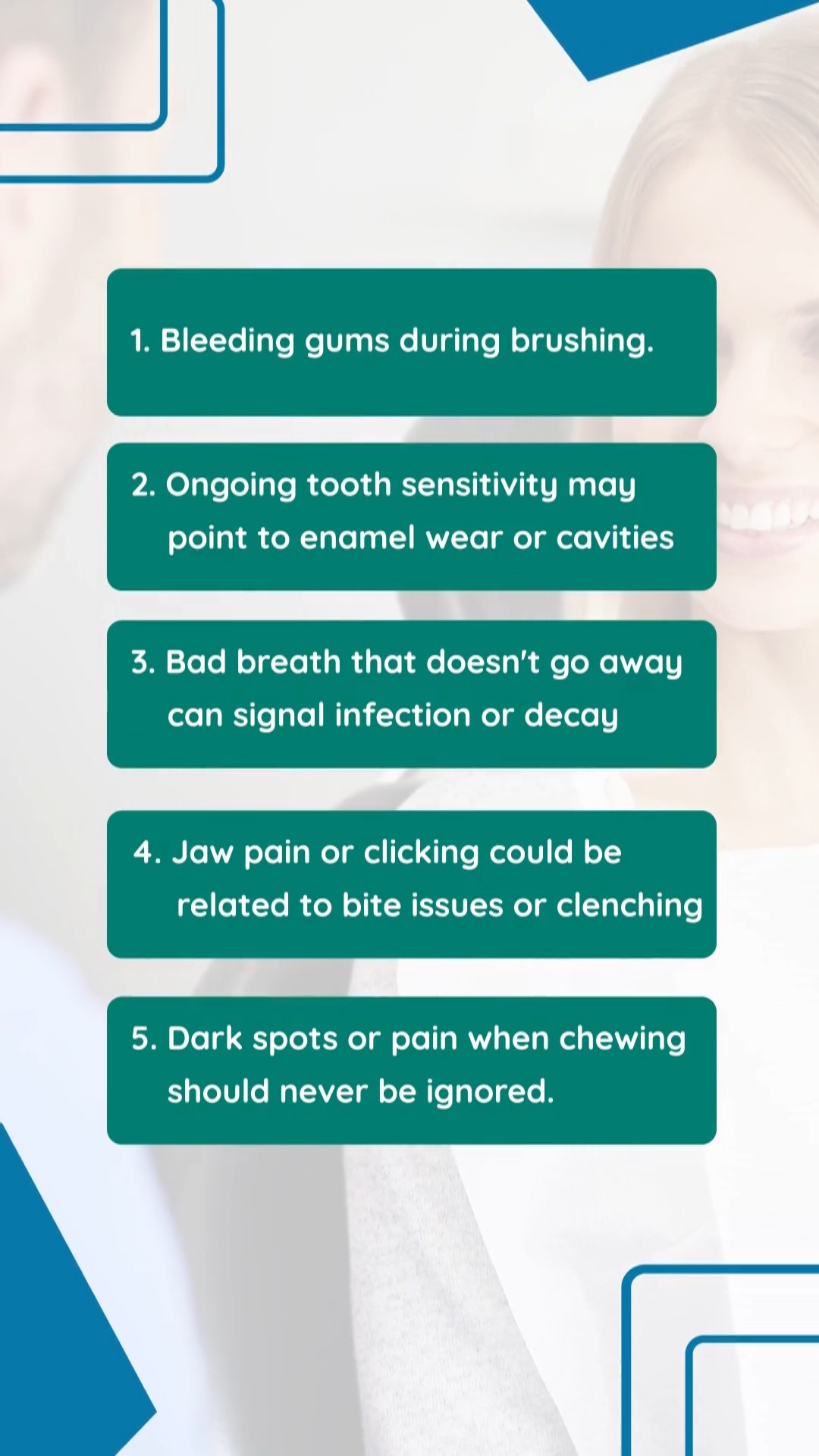
Signs can include tooth sensitivity, visible pits or dark spots, or pain when chewing — but many cavities are only caught during a routine exam and X-rays, before symptoms appear.
Q3: Does getting a filling hurt?
The area is numbed with local anesthetic beforehand, so the procedure itself is generally not painful. Mild sensitivity for a day or two afterward is normal.
Q4: How long do fillings last?
Composite fillings typically last 5–10 years or more depending on their size, location, and how well you care for your teeth.
Q5: What happens if a cavity is left untreated?
Untreated decay can grow larger and reach the tooth’s nerve, potentially requiring a root canal or extraction instead of a simple filling. Call (610) 524-9530 to schedule an exam if you suspect a cavity.