
Tooth sensitivity can turn simple, everyday moments — like enjoying a cold drink or brushing your teeth — into something uncomfortable. If you’ve been experiencing that quick, sharp sensation, you’re not alone. The good news is that tooth sensitivity is treatable, and with the right approach, long-term relief is absolutely possible.
At Chester Springs Dental, Dr. Richard Gross focuses on identifying the underlying cause of sensitivity so treatment is not only effective — but lasting.
What Causes Sensitive Teeth?
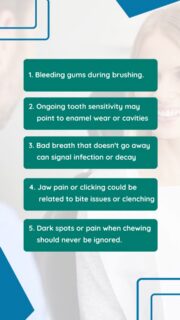
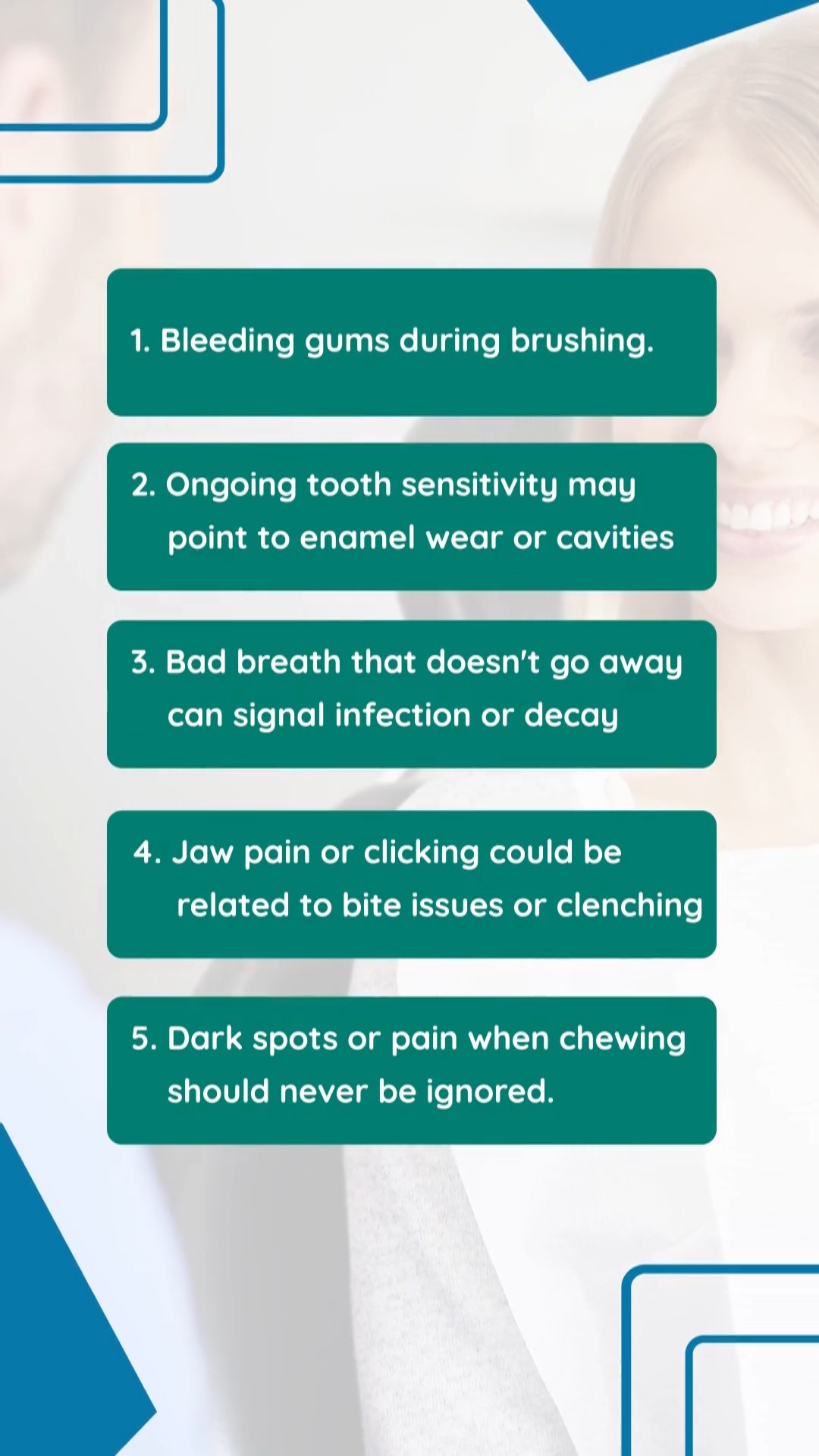
Tooth sensitivity typically occurs when the protective outer layer of your tooth (enamel) wears down or when gums recede, exposing the more sensitive inner layer.
Common causes include:
- Brushing too aggressively
- Gum recession
- Tooth grinding (often at night)
- Acidic foods and beverages
- Cavities or small cracks in teeth
- Worn dental work
Because there are several possible causes, a proper diagnosis is key to finding the right solution.
How Can You Treat Tooth Sensitivity?
At-Home Care for Mild Sensitivity
Some cases can improve with small changes to your daily routine:
- Use a desensitizing toothpaste regularly
- Switch to a soft-bristled toothbrush
- Avoid overly acidic or whitening products
- Brush gently and consistently
These steps can help reduce discomfort over time — but they may not fully resolve the issue if there’s an underlying dental concern.

Professional Treatment Options
If sensitivity persists, Dr. Gross may recommend in-office treatments, such as:
- Fluoride treatments to strengthen enamel
- Bonding or sealants to protect exposed areas
- Treatment for gum recession or early decay
- Custom recommendations based on your bite and habits
These treatments are designed to target the cause — not just the symptoms.
Learn More About Tooth Sensitivity
https://www.healthline.com/health/sensitive-teeth#How-is-tooth-sensitivity-treated

Frequently Asked Questions
Why are my teeth suddenly sensitive?
Sensitivity can develop over time due to enamel wear, gum recession, or grinding. Sometimes it appears suddenly when the inner part of the tooth becomes exposed.
Can tooth sensitivity go away on its own?
Mild cases may improve with better home care, but persistent sensitivity usually requires professional evaluation to fully resolve.
Is tooth sensitivity a sign of something serious?
It can be. While it’s often minor, sensitivity may also indicate cavities, cracks, or gum issues — which is why it’s important to have it checked.
Does whitening toothpaste make sensitivity worse?
In some cases, yes. Whitening products can increase sensitivity, especially if your enamel is already compromised.
A Personalized Approach to Relief
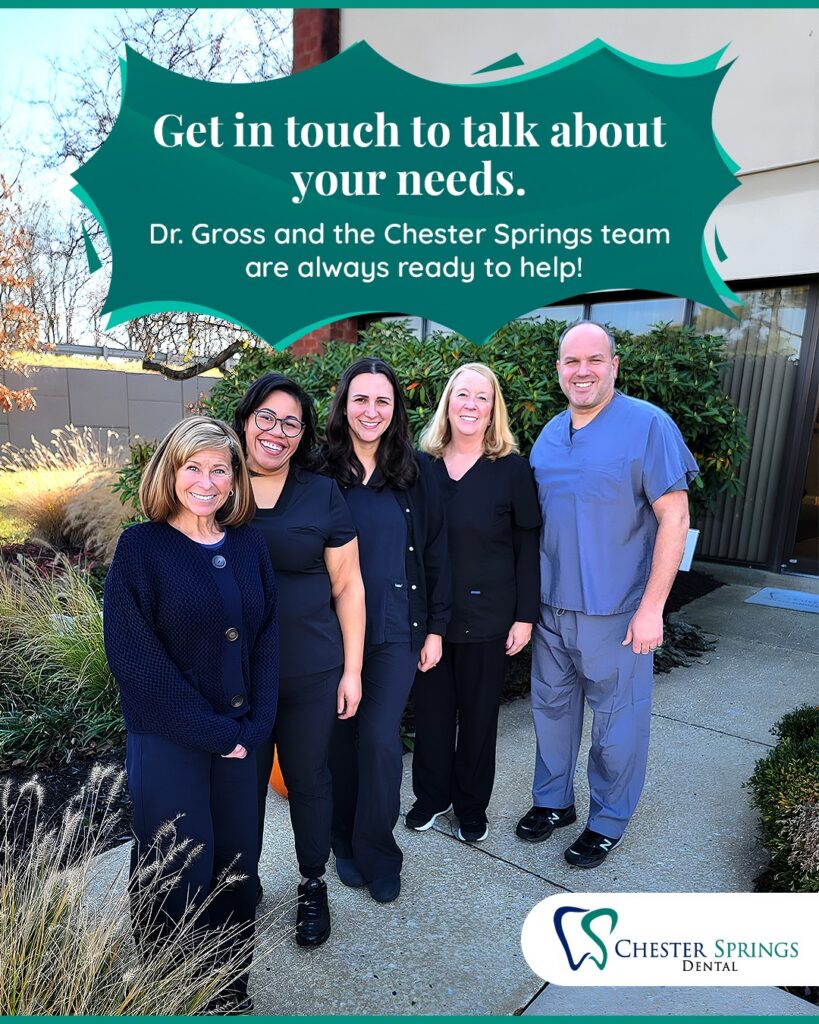
At Chester Springs Dental, care is never one-size-fits-all. Dr. Richard Gross takes the time to understand your symptoms, habits, and goals — creating a treatment plan that restores comfort and protects your long-term oral health.
For helpful tips, patient education, and updates from our office, follow us here:
👉 https://www.instagram.com/chesterspringsdental
Making Care More Accessible
If you don’t have dental insurance, we offer a Membership Savings Club designed to make ongoing care more affordable and stress-free.
👉 Learn more here:
https://chesterspringsdental.com/our-office/membership-savings-club-plans/
Ready to Feel Comfortable Again?
Tooth sensitivity isn’t something you have to live with — and ignoring it can allow small problems to become bigger ones. The right diagnosis and treatment can make a meaningful difference in both your comfort and your oral health.
📞 Schedule your appointment with Dr. Richard Gross today: 610-524-9530
🌐 Request your visit online: https://chesterspringsdental.com/
A more comfortable smile starts with understanding the cause — and taking that first step toward care. 😊