Two Ways to Straighten Teeth: Which Option Is Best for Adults and Teens?
Traditional braces have long been a trusted way to straighten teeth, but clear aligners offer a more discreet and flexible alternative for many adults and teens. Using custom-made, removable trays, clear aligners gradually move teeth without brackets or wires, making everyday activities like eating, brushing, and flossing easier. This guide compares both options, including treatment process, comfort, cost, appearance, and suitability for different orthodontic needs. At Chester Springs Dental, we offer clear aligner treatment, including Invisalign®, but not traditional braces. We focus on recommending the right treatment for your smile, and if braces are better suited to your case, we’ll explain why and guide you toward the appropriate next step during your free consultation. Explore our clear aligner treatment page to learn more.

Affordable Treatment Options Without Dental Insurance
If you don’t have dental insurance, Chester Springs Dental offers flexible ways to make treatment more affordable. Our Membership Savings Club includes savings on preventive care and 15% off other procedures. We also accept CareCredit, allowing you to spread orthodontic treatment costs into manageable monthly payments. Be sure to ask about our current new-patient specials, which include a $100 new-patient credit and a free second opinion.
Make an Appointment


No Dental Insurance? No Problem!
We offer a Membership Savings Club for patients without insurance.

How Clear Aligner Treatment Works
Treatment begins with a digital 3D scan of your teeth using Invisalign iTero technology, eliminating the need for traditional impressions. Your treatment plan is mapped out digitally before you begin, allowing you to preview your projected smile. Each set of custom aligners gently shifts your teeth into position, with new trays typically worn every one to two weeks. For the best results, aligners should be worn 20–22 hours a day and removed only for eating, drinking anything other than water, and brushing or flossing.
Clear aligners make it easier to maintain your normal routine throughout treatment. You can enjoy your favorite foods without bracket-related restrictions, brush and floss without navigating wires, and keep your teeth clean more easily. Their transparent design also makes them less noticeable during conversations, photos, and everyday activities, making them a convenient option for adults and teens who want to straighten their teeth without the appearance of traditional braces.
Which One Is Right for You?
You want the discreet option. Aligners, clearly. Meetings, photos, dating, school nobody needs to know.
Your case is mild to moderate. Crowding, gaps, most overbites and crossbites respond beautifully to aligners. That’s the majority of cases we see.
You play sports or an instrument. Removable trays mean no brackets cutting your lips a big reason teens choose aligners.
You know you won’t wear trays 20+ hours a day. Then be honest with yourself: braces work whether you cooperate or not, and aligners don’t. This is the one question that decides more cases than any other.
Your case is complex. Severe rotations, large vertical movements, or complicated bite correction may be braces territory. We’ll assess your teeth at your free consultation and give you a straight answer even if that answer isn’t a treatment we sell.
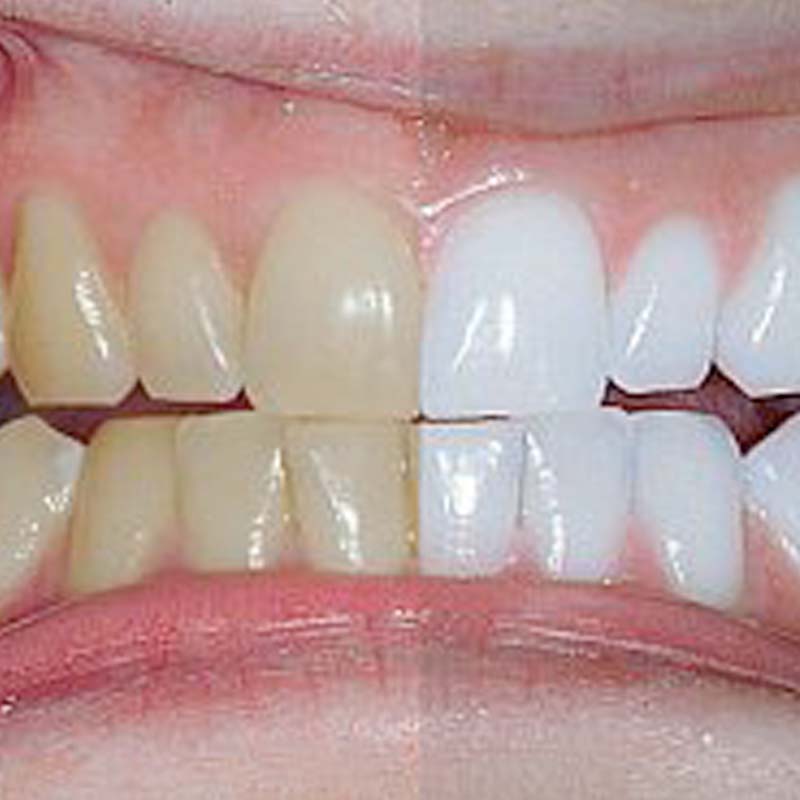
Many patients finish aligner treatment and then complete the transformation with professional teeth whitening straight, bright teeth in one plan. Aligners sit within our wider cosmetic dentistry offering, so we can sequence everything sensibly.
How Much Does Each Treatment Cost?
For comparable cases, aligners and braces usually cost in the same range the honest answer is that your cost depends on how much movement your teeth need, which we determine at your free consultation and scan. What we can tell you up front:
- Many dental insurance plans contribute toward orthodontic treatment, often $1,000-$3,000, and we verify your coverage before treatment begins see our insurance guide for how it works
- We’re in-network with Aetna, Sunlife, United Concordia Dental, Cigna, and UnitedHealthcare
- Membership Savings Club members receive 15% off procedures
- CareCredit financing is a
Clear Aligners vs. Braces: Frequently Asked Questions
What is the main difference between clear aligners and braces?
A: Aligners are clear, removable trays you change every 1–2 weeks. Braces are brackets and wires fixed to your teeth for the whole treatment. Both straighten teeth the daily experience is completely different.
Are clear aligners as effective as braces?
A: For mild to moderate crowding, gaps and most bite issues, yes. Very complex movements may still need braces. We assess your case honestly at your free consultation.
Which is faster, aligners or braces?
A: Aligners typically take about 12–18 months for most cases; braces often take 18–24 months. Your exact timeline depends on your teeth, and with aligners you’ll see the plan digitally before you start.
Can teenagers choose clear aligners instead of braces?
A: Yes aligners work well for adults and teens, especially those who play sports or instruments. The one requirement is discipline: trays must be worn 20–22 hours a day.
Do you offer braces at Chester Springs Dental?
A: No we offer clear aligner treatment, including Invisalign. If your case genuinely needs braces, we’ll tell you honestly at your consultation rather than sell you the wrong treatment.
Which costs more, clear aligners or braces?
A: For comparable cases they’re usually in a similar range. Insurance often contributes $1,000–$3,000, Membership Club members save 15%, and CareCredit financing is available.
How do I decide which is right for me?
A: Book a free consultation call (610) 524-9530. We’ll scan your teeth, show you your projected result, and recommend the option that fits your case and your life.